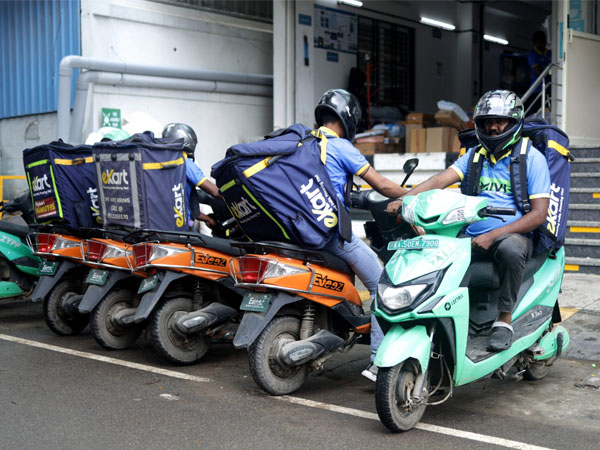
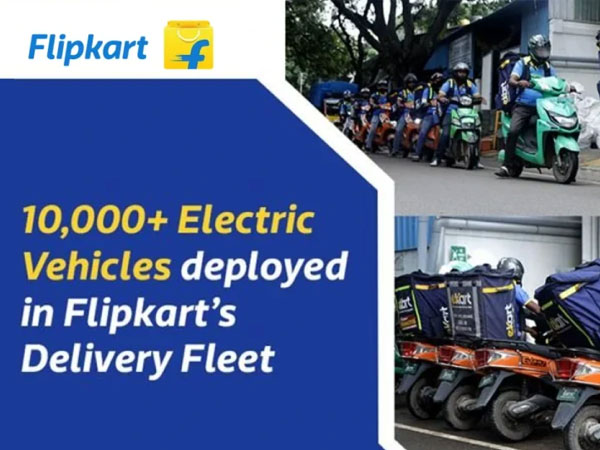
Electric mobility is no longer a future concept — it is actively reshaping how riders in Delhi NCR earn, save, and build financial stability. The shift from petrol vehicles to EV fleets is creating measurable impact.
Over the last few years, rising fuel prices have steadily reduced the take-home income of gig workers and delivery riders. Daily petrol expenses, frequent servicing, engine maintenance, and unpredictable breakdowns often consumed a large portion of monthly earnings.
The introduction of organized EV fleet programs has changed this equation. By eliminating fuel dependency and lowering maintenance requirements, riders are now operating with significantly reduced daily costs. The result? Higher savings, predictable expenses, and better long-term planning.
“Earlier I used to spend ₹300–400 daily on petrol. After switching to EV, my running cost reduced drastically. I now save nearly ₹6,000–8,000 per month.” – Delhi NCR Rider
The Financial Transformation
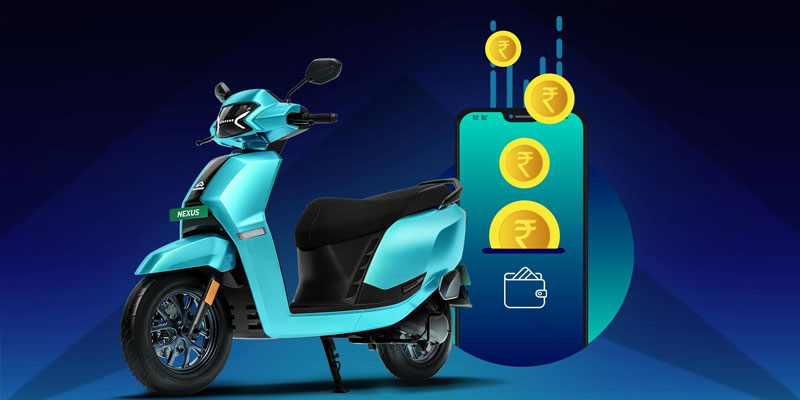
Let’s break this down practically. A petrol vehicle rider typically spends between ₹8,000–12,000 monthly on fuel alone. Add servicing, oil changes, and wear-and-tear repairs — the total operational cost climbs even higher.
Electric vehicles eliminate fuel expense completely. Charging costs are significantly lower, and EV engines have fewer moving parts, which reduces servicing frequency. Over a 12-month period, this translates into substantial net savings.
For many riders, this shift has meant:
- Improved monthly cash flow
- Reduced financial stress
- Ability to invest in family needs
- Greater earning predictability
Operational Stability & Support
Beyond cost savings, structured EV platforms provide operational support. Fleet tracking systems, centralized servicing, and maintenance programs reduce downtime. Riders can focus more on completing deliveries instead of worrying about mechanical failures.
Technology integration also enables:
- Real-time vehicle monitoring
- Battery performance tracking
- Data-driven route efficiency
- Better asset lifecycle management
Environmental Responsibility
The environmental impact is equally significant. Petrol-powered two-wheelers contribute heavily to urban air pollution. With EV adoption increasing, emission levels are gradually declining in high-density delivery corridors.
Each EV deployed represents:
- Lower carbon emissions
- Reduced noise pollution
- Cleaner urban air
- Contribution toward sustainable city goals
The Long-Term Opportunity
Electric mobility is not just a cost-saving alternative — it is a long-term structural shift in urban transportation. Government incentives, expanding charging infrastructure, and increased investor interest are accelerating growth.
For riders, this means stability and higher profitability. For partners and investors, it represents scalable, sustainable opportunity in one of the fastest-growing sectors.
As adoption increases across Delhi NCR, the ecosystem continues to mature — bringing together technology, sustainability, and financial empowerment into one integrated mobility model.